Ever wonder why the smartest engineers are the last to trust AI helpers? Here’s the insider playbook.
⚡ TL;DR: The top engineers delay AI because they guard hidden codebase knowledge; they join once you give them a clear safety roadmap.
The Simple Version
The best engineers hold the codebase together with mental duct tape and see every failure mode first. They won’t adopt agents until you hand them a roadmap that makes verification solid and eases their load.How It Actually Works
Why the best engineers adopt last
🎯 Think of it this way: They are the mental duct tape holding the codebase together, spotting flaws before anyone else.
Investing in verification first means building checks that catch agent errors before they hit production. This turns their complaints into a checklist of missing safeguards.Encoding what works into deterministic flows
The team writes plans that agents can follow instead of vague prompts. Deterministic flows turn vague ideas into step‑by‑step actions the agent can execute reliably.Attention aware communication
Pull requests now start with a human‑written line followed by AI text. That signals where to focus attention and avoids the slop perception.Technical Deep Dive
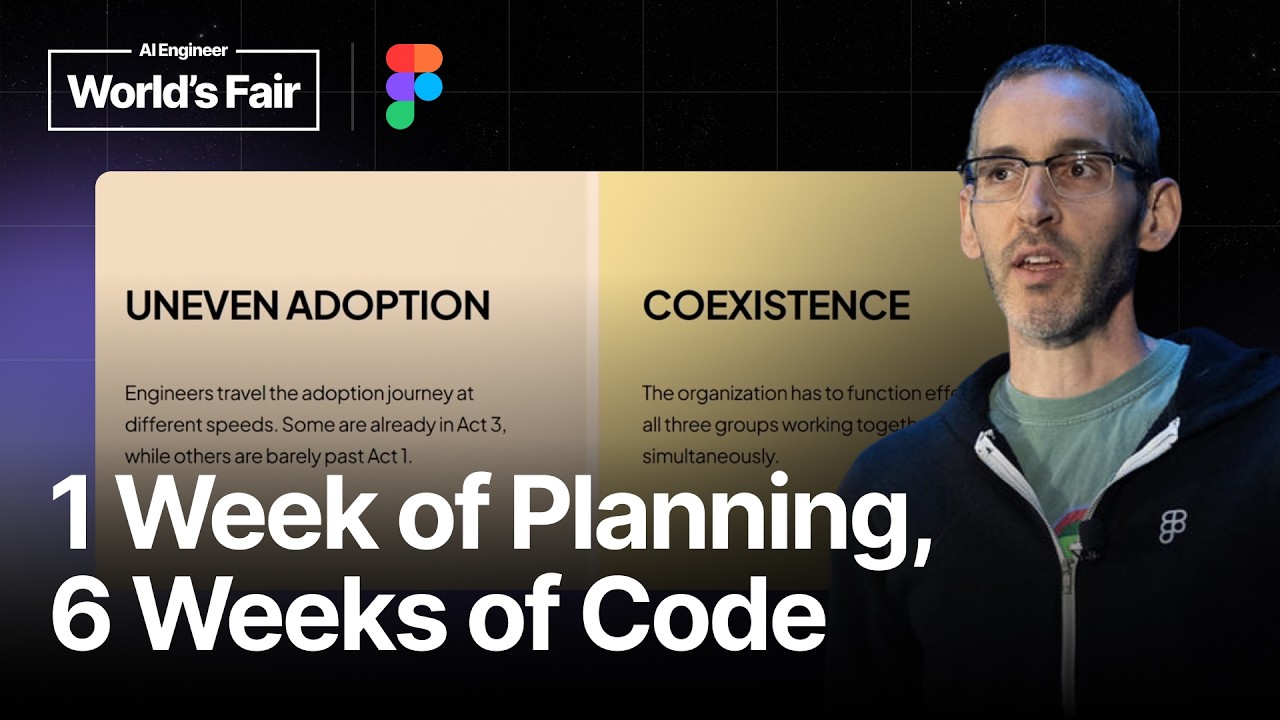
Developers can adopt a testing pyramid for agent review: unit‑level checks, integration validation, and end‑to‑end verification. Plans get a week of human review; the agent works overnight, producing output that is marked and annotated. Using a convention like Human: ... AI: ... in PR descriptions helps reviewers spot AI‑generated content quickly. The roadmap includes clear verification gates, deterministic workflow scripts, and attention‑aware messaging conventions.Why This Matters
When verification is baked in, adoption accelerates and engineers regain agency over their code. Teams avoid longer documentation overload and keep focus on creative problem solving rather than waiting on AI output.Key Takeaways
- Top engineers guard hidden codebase knowledge.
- Give them a safety roadmap, not a sales pitch.
- Verification first turns objections into action items.
- Deterministic flows replace vague prompts.
- Mark AI output to guide reviewer attention.
- Testing pyramids provide layered confidence.
- Clear communication restores developer agency.