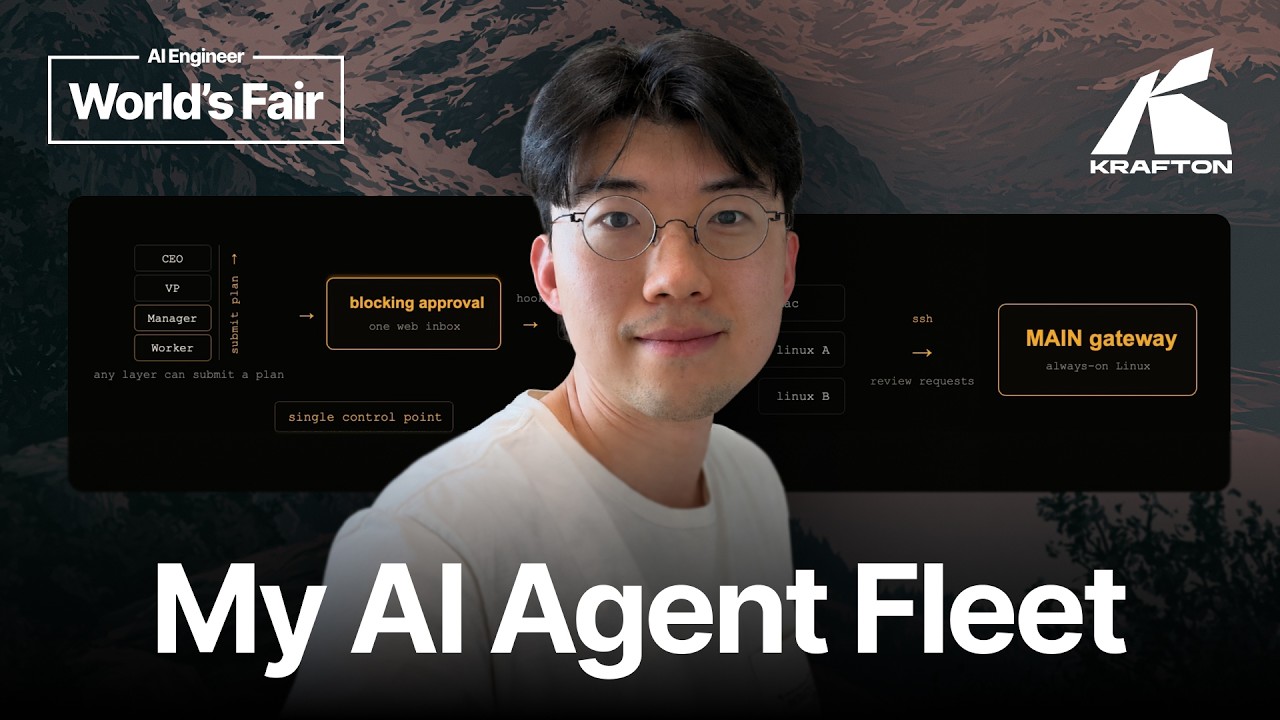
Ever tried running dozens of AI agents on multiple machines? Here's what really breaks when you scale.
The Simple Version
Think of each AI agent as a worker in a factory. One worker can handle a single task, but a whole assembly line needs coordination, so when you add more workers the whole line can stall.
How It Actually Works
Scaling Challenges
When you move from one machine to many, network latency, resource contention, and divergent state become common failure sources.
Orchestration Basics
Tools like Kubernetes or simple Docker Swarm help schedule agents, but you still need custom health checks.
Technical Deep Dive
Our setup uses a message queue (RabbitMQ) to dispatch tasks, a shared PostgreSQL database for state, and Prometheus for metrics. Each agent runs in its own container, and a lightweight watchdog restarts any that miss heartbeats.
Why This Matters
Enterprises are experimenting with AI‑agent fleets to automate complex workflows. Understanding scaling pain points now prevents costly outages later.
Early adopters can build resilient systems that adapt to load spikes without manual intervention.
Key Takeaways
- Scaling AI agents introduces hidden latency and state‑sync issues.
- Simple orchestration tools are a start, but custom health logic is often required.
- Monitoring must be proactive, not reactive.
- Self‑healing loops reduce downtime dramatically.
- State management becomes the bottleneck as fleet size grows.
- Testing in production‑like environments catches scaling bugs early.
- Investing in automation pays off as the fleet expands.