Worried your AI rollout is hitting a wall? Your engineers might be resisting, and another demo won’t fix it.
The Simple Version
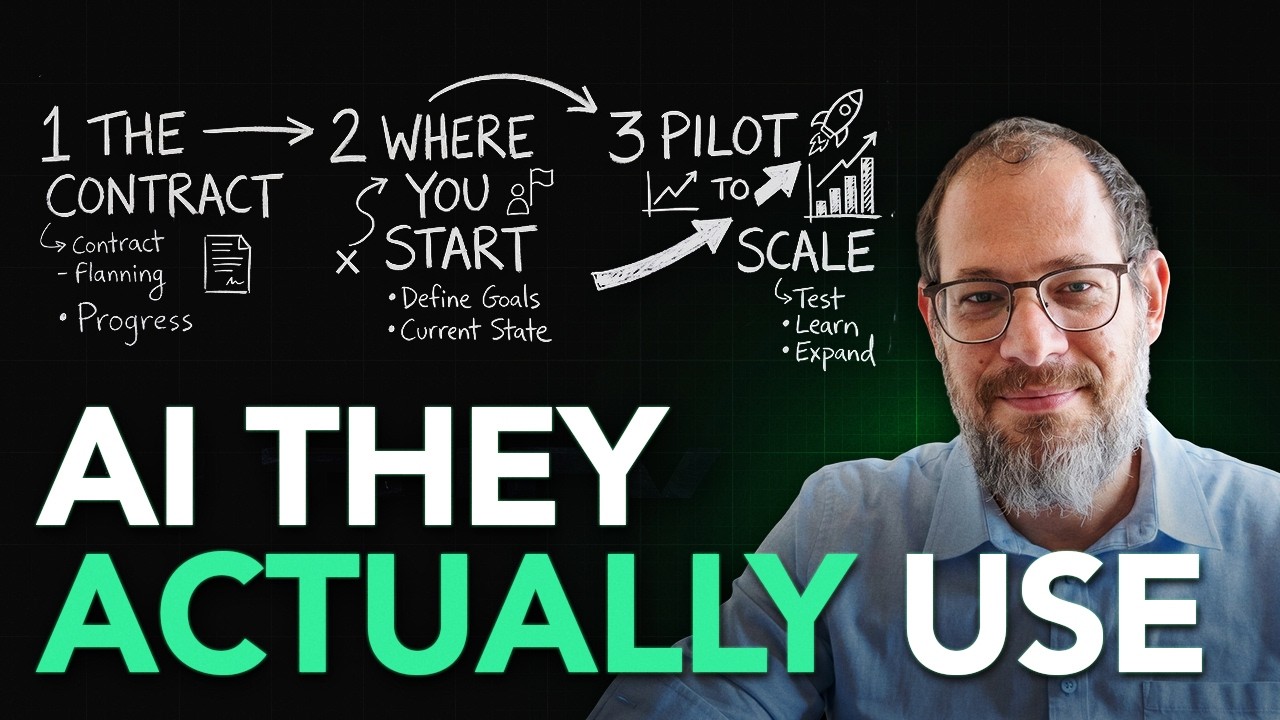
Think of an AI rollout like a team sport. You need a clear rule, a quick win, and a plan for every player’s future.
How It Actually Works
Commitment You Make Publicly
Leadership writes a clear statement about jobs, timelines, and up‑skilling.
Narrow Pilot That Proves Value
A pilot must solve a measurable problem and be limited in scope.
Protecting Human Work
Teams keep meaningful work by redefining roles as agents handle first drafts.
Technical Deep Dive
From an engineering perspective, the commitment translates into a documented headcount policy that is version‑controlled alongside code.
Pilots are often built as microservices with clear API contracts, making it easy to measure impact on key metrics like latency or cost per token.
When scaling, you embed the pilot’s success criteria into CI/CD pipelines, using automated tests that verify both performance and that human‑in‑the‑loop checkpoints remain intact.
Why This Matters
If leaders ignore the human side, resistance turns into hidden technical debt that slows every release.
Companies that pair clear employment guarantees with focused pilots see faster adoption, lower churn, and higher model reliability.
In practice, this means fewer emergency rollbacks and more confidence to invest in larger AI initiatives.
Key Takeaways
- Public employment commitments build trust.
- Start with a narrow pilot that solves a clear business problem.
- Protect and reassign human work to keep morale high.
- Document pilot success metrics and embed them in CI/CD.
- Scale only after the pilot proves value and the team buys in.
- Transparent communication reduces hidden technical debt.
- Leadership must align technical execution with people strategy.